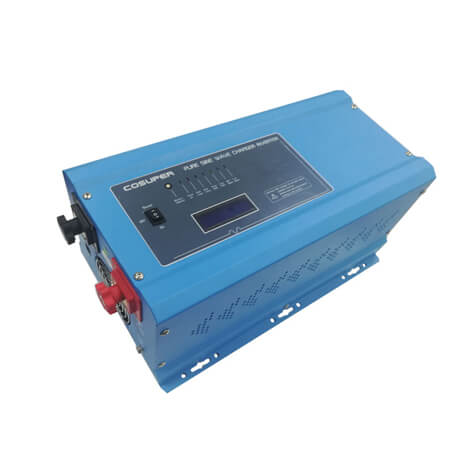
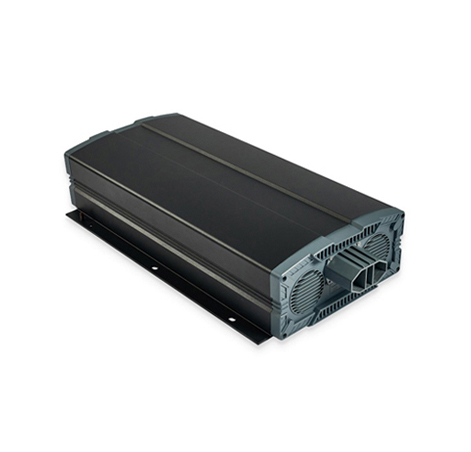
When it comes to enjoying a seamless and uninterrupted boating experience, a reliable and efficient power supply is essential. Marine power inverter chargers play a pivotal role in converting DC power from your boat's battery into usable AC power, ensuring a constant power supply on-board. In this blog, we will discuss installation and wiring tips to help you make the most out of your marine power inverter charger.
Understanding Marine Power Inverter Chargers
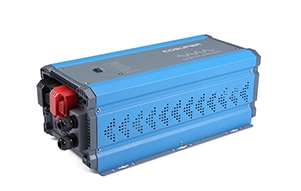
To begin with, let's understand what a marine power inverter charger is and how it works. These devices are specifically designed for use in a marine environment and can convert DC power from your boat's battery bank into AC power, widely used for running appliances, charging devices, and other electrical equipment on board.
Selecting the Right Marine Power Inverter Charger
Choosing the appropriate marine power inverter charger depends on factors such as your boat's electrical system, power requirements, and battery capacity. It is crucial to consider the charger's power rating, surge capacity, and connection options. Consulting with an expert or referring to your boat's manufacturer guidelines can ensure you select the right inverter charger for your vessel.
Proper Installation Techniques
Locate a Suitable Spot: Identify a location that allows easy access for maintenance while keeping the inverter charger away from direct sunlight, heat sources, and moisture-prone areas.
Secure the Device: Mount the marine power inverter charger securely using appropriate fasteners to prevent movement during boat maneuvers or rough weather conditions.
Adequate Ventilation: Ensure proper ventilation around the inverter charger, as these devices generate heat during operation. Installing an external ventilation fan can help maintain optimal temperature levels.
Wiring Considerations: Follow the manufacturer's instructions for connecting the inverter charger to your boat's electrical system. Use marine-grade cables, sized according to the charger's specifications, and ensure proper grounding for enhanced safety.
Fuse Protection: Install an appropriate fuse or circuit breaker between the battery bank and the inverter charger to protect against overload situations and potential damage to the equipment.
Maintenance and Troubleshooting
Regular Inspections: Periodically check the inverter charger for any signs of damage, loose connections, or corrosion. Clean and tighten the terminals as necessary.
Battery Maintenance: Maintain your boat's batteries according to the manufacturer's instructions. Proper battery maintenance will not only prolong the lifespan of the batteries but also ensure optimal performance of the inverter charger.
Troubleshooting: If you experience any issues with your marine power inverter charger, always refer to the manufacturer's troubleshooting guide for guidance. In case of persistent problems, seek professional assistance to avoid further damage or safety hazards.
Installing a marine power inverter charger is an important step towards ensuring a reliable, constant power supply while enjoying your boating adventures. By understanding the device, selecting the right one, and following proper installation techniques, you can harness the full potential of your marine power inverter charger. Regular maintenance and troubleshooting will help you address any potential issues and keep your electrical system running smoothly. Now, you can embrace the freedom of being on the water without worrying about power interruptions!
 English