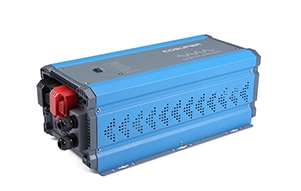
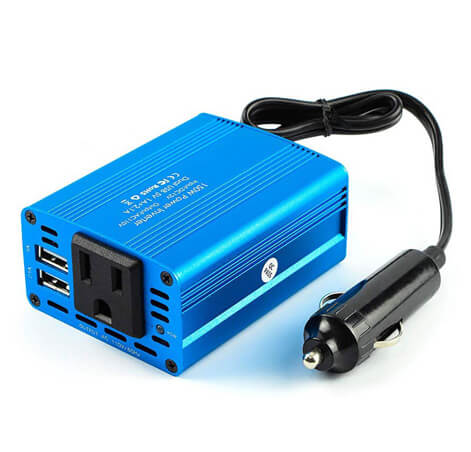
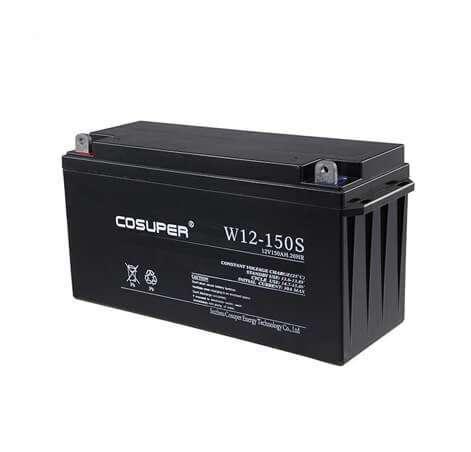
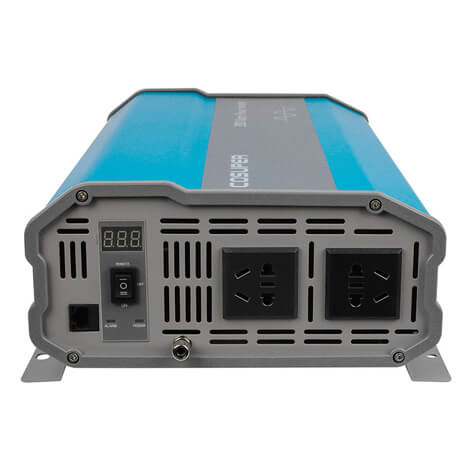
Boat battery charger inverters play a crucial role in optimizing your boating experience by ensuring a steady power supply on the water. These devices convert the boat's battery power to AC power, allowing you to run various appliances and accessories. However, it's essential to understand that boat battery charger inverters, like any other electronic equipment, require proper care and maintenance. In this blog post, we will explore valuable tips to help you extend the lifespan of your boat battery charger inverter, ensuring uninterrupted power on your boat.
Invest in a High-Quality Boat Battery Charger Inverter
When purchasing a boat battery charger inverter, it is vital to invest in a high-quality and reliable brand. By choosing a reputable manufacturer, you can ensure that the device is built with durability in mind. Top-notch construction and quality components will significantly contribute to the longevity of your boat battery charger inverter, offering a reliable power solution for years to come.
Regularly Inspect and Clean your Inverter
To maintain the optimal functionality of your boat battery charger inverter, it is crucial to conduct regular inspections and cleaning. Inspect the device for any visible signs of wear and tear, such as loose connections, damaged cables, or corrosion. Clean the inverter's surface using a soft cloth to remove any dust, debris, or contaminants that may affect its performance. By carrying out routine maintenance, you can prevent potential issues and prolong the lifespan of your boat battery charger inverter.
Ensure Proper Ventilation and Cooling
Boat battery charger inverters generate heat during operation, and inadequate ventilation can lead to overheating, reducing the lifespan of the device. Ensure that the inverter is installed in a well-ventilated area, allowing for proper air circulation. Avoid enclosing the inverter in tight spaces or covering it with objects that restrict airflow. Additionally, consider using cooling fans or installing a ventilation system to keep the inverter at an optimal temperature.
Protect Against Moisture and Water Damage
Boat electrical systems are constantly exposed to moisture, which can significantly impact the performance and longevity of your boat battery charger inverter. To protect your inverter, ensure it is installed in a dry location, away from direct exposure to splashing water or rain. Consider using waterproof enclosures or covers to shield the inverter from water damage. Regularly check for any signs of moisture or water accumulation around the device and take immediate action if necessary.
Safely Store and Transport your Inverter
When not in use, it is essential to store your boat battery charger inverter in a safe area, free from excessive heat, humidity, or extreme temperature fluctuations. Avoid keeping it in direct sunlight or in areas prone to dampness or condensation. During transportation, secure the inverter properly to prevent any physical damage caused by shocks or vibrations. Following these precautions will safeguard your inverter and help extend its lifespan.
Proper care and maintenance are vital for extending the lifespan of your boat battery charger inverter. By investing in a high-quality device, conducting regular inspections and cleaning, ensuring proper ventilation and cooling, protecting against moisture damage, and safely storing and transporting the inverter, you can maximize its performance and reliability. Remember, a well-maintained boat battery charger inverter will provide uninterrupted power, enhancing your boating adventures for many years to come.
 English